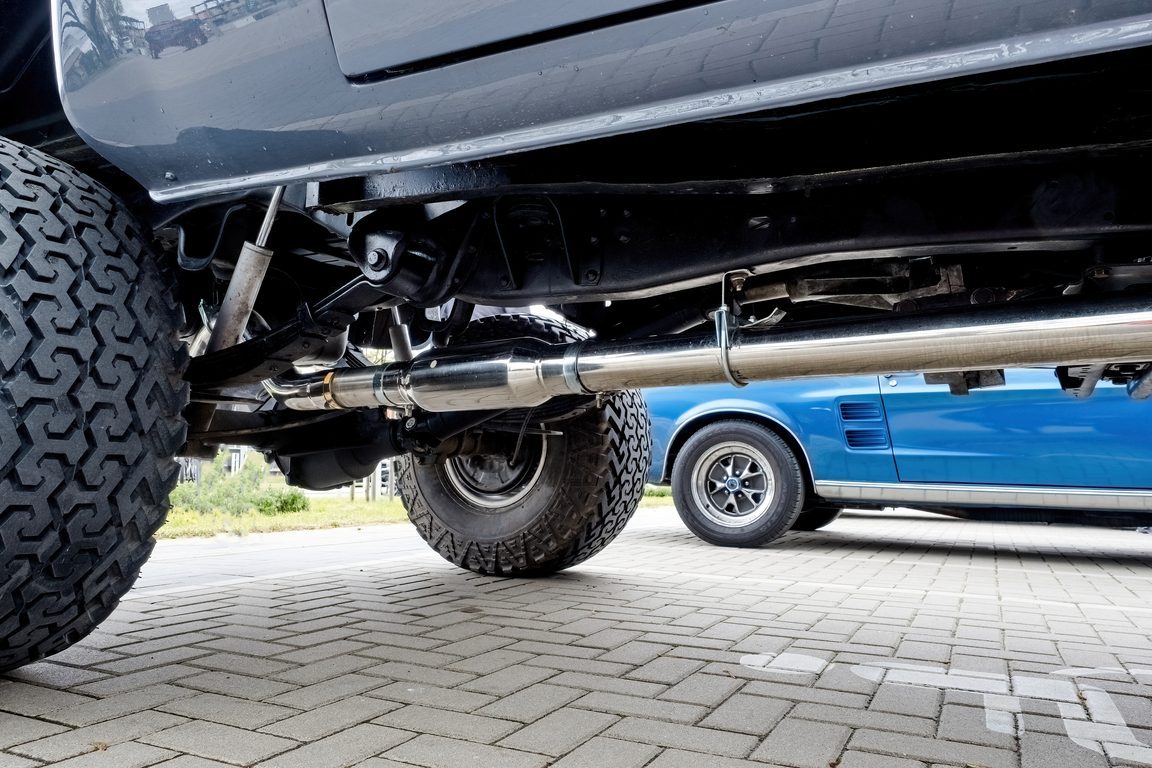

Here is something that catches people out. An exhaust system can look completely sound from underneath and be nearly finished, because they almost always corrode from the inside.
Where the water comes from. Burning fuel produces water. A great deal of it. On a cold start you can see it dripping from tailpipes at a stoplight in winter, and that is normal combustion, not a fault.
What happens to it depends entirely on how far you drive. Once the exhaust reaches full operating temperature, that water turns to steam and leaves. If the system gets properly hot and stays hot for twenty minutes or more, the exhaust dries itself out on every trip.
If it does not, the water stays. A four mile drive to work does not get the rear of the exhaust hot enough to boil it off. The car is parked, everything cools, and condensation sits in the lowest point of the muffler overnight. It does that twice a day, every day, for years.
Which produces a counterintuitive result. The cars we see with rotted exhausts are usually not the high mileage ones. A car doing thirty thousand highway miles a year often has a healthy exhaust at ten years old. A car doing five thousand miles a year in four mile trips can need a muffler at seven.
Why you cannot see it coming. The outside of the pipe is exposed to air and dries between trips. The inside is holding water. By the time rust shows on the outside, the inside has usually been going for a long time, which is why exhausts fail suddenly from the owner’s point of view and gradually from the metal’s.
The signs you do get. A gradual increase in volume over months. A drone at a particular speed that was not there last year. Rust flakes on the driveway where you park. And on a lift, a muffler that sounds dull rather than ringing when tapped.
What helps. A longer drive occasionally. Not much else, honestly, because you cannot change what your commute is. It is more useful to know that if you are a short trip driver, the exhaust is a thing to have looked at rather than a thing to be surprised by.
On stainless. Many newer cars use stainless or aluminised systems that last considerably longer. Older cars and cheaper replacement parts often do not. If you are replacing a muffler, ask what it is made of, because the difference in life is large and the difference in price frequently is not.
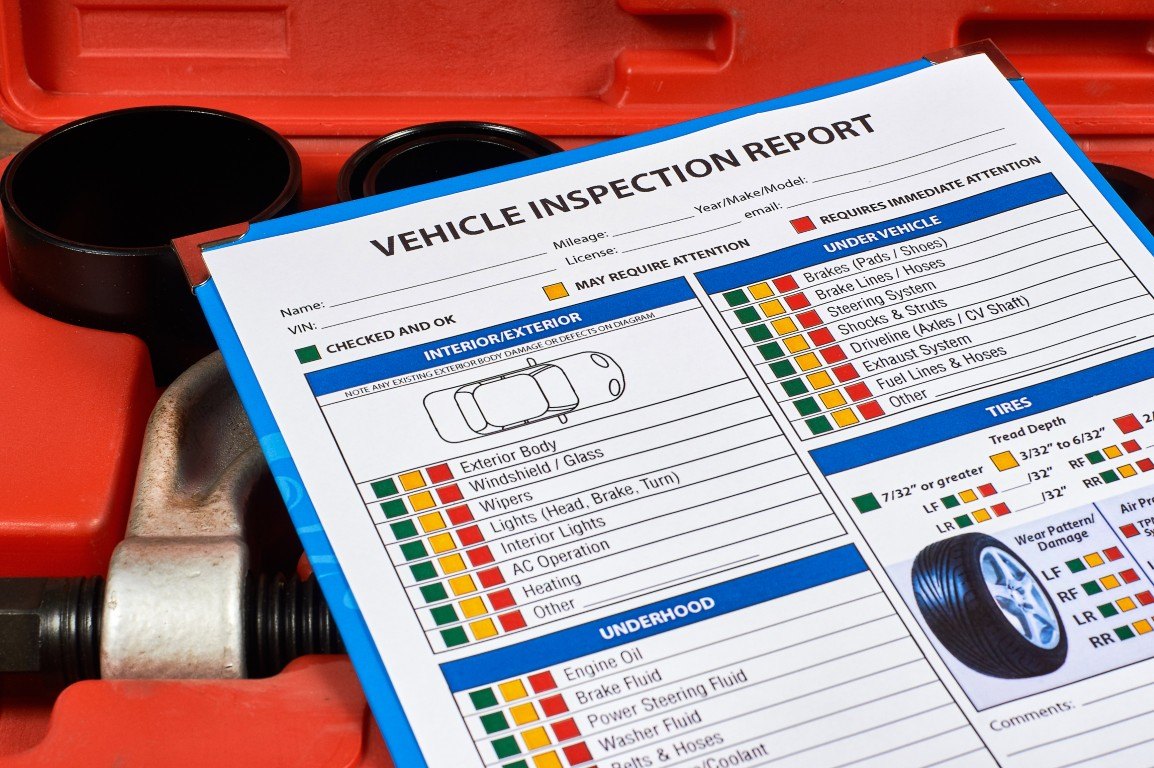
We look at the exhaust on every car that goes on our lift, which costs nothing and is the point at which this is a cheap conversation.
Stones River Auto and Exhaust, 1601 Flat Rock Road, Murfreesboro. Monday through Friday, 8:00 AM to 5:00 PM.