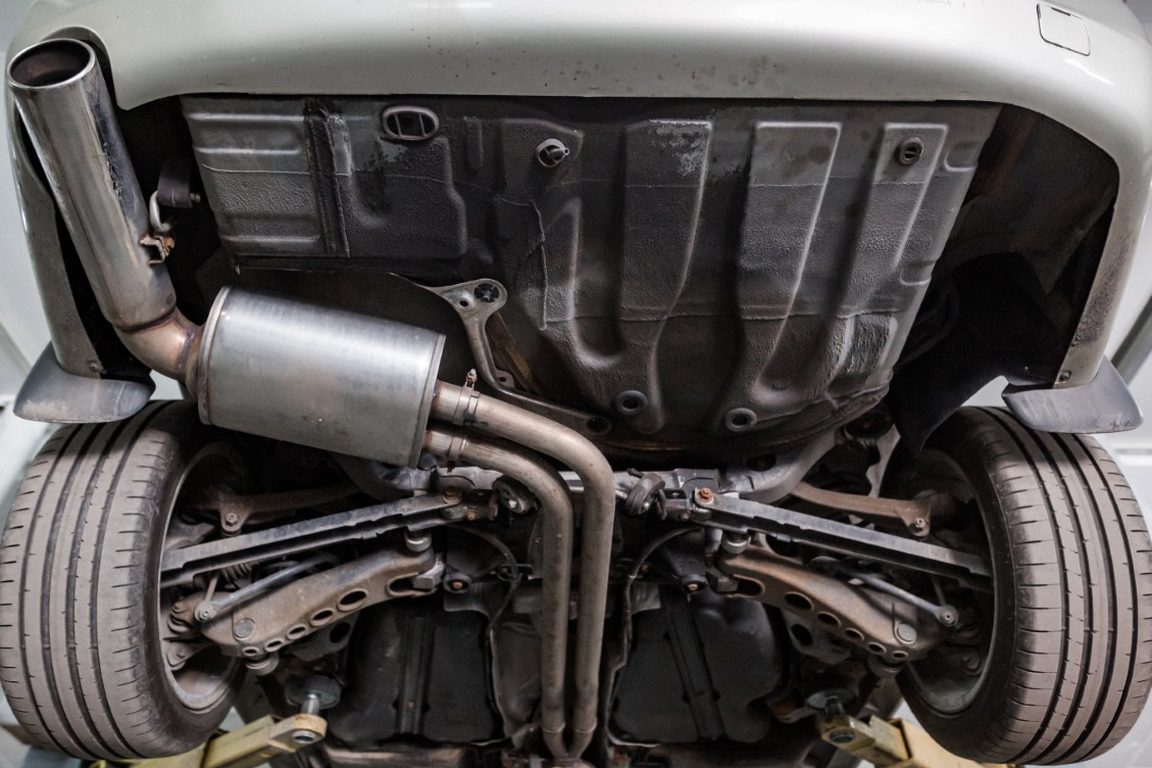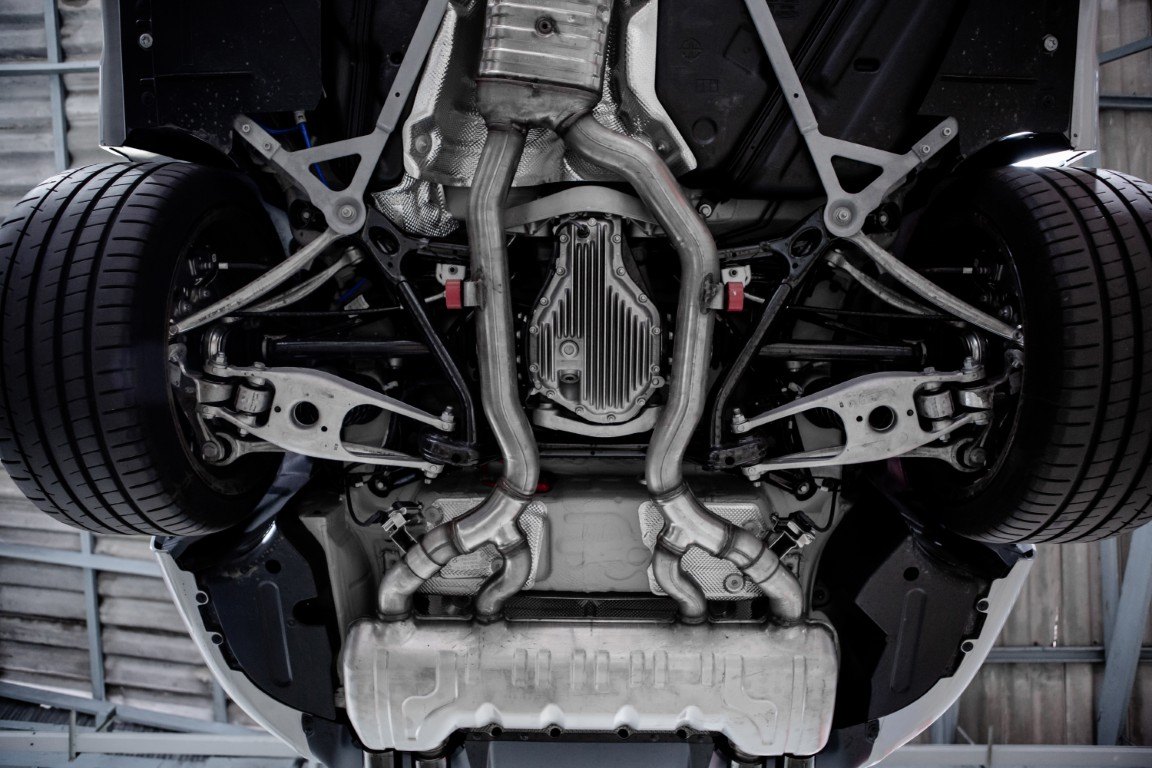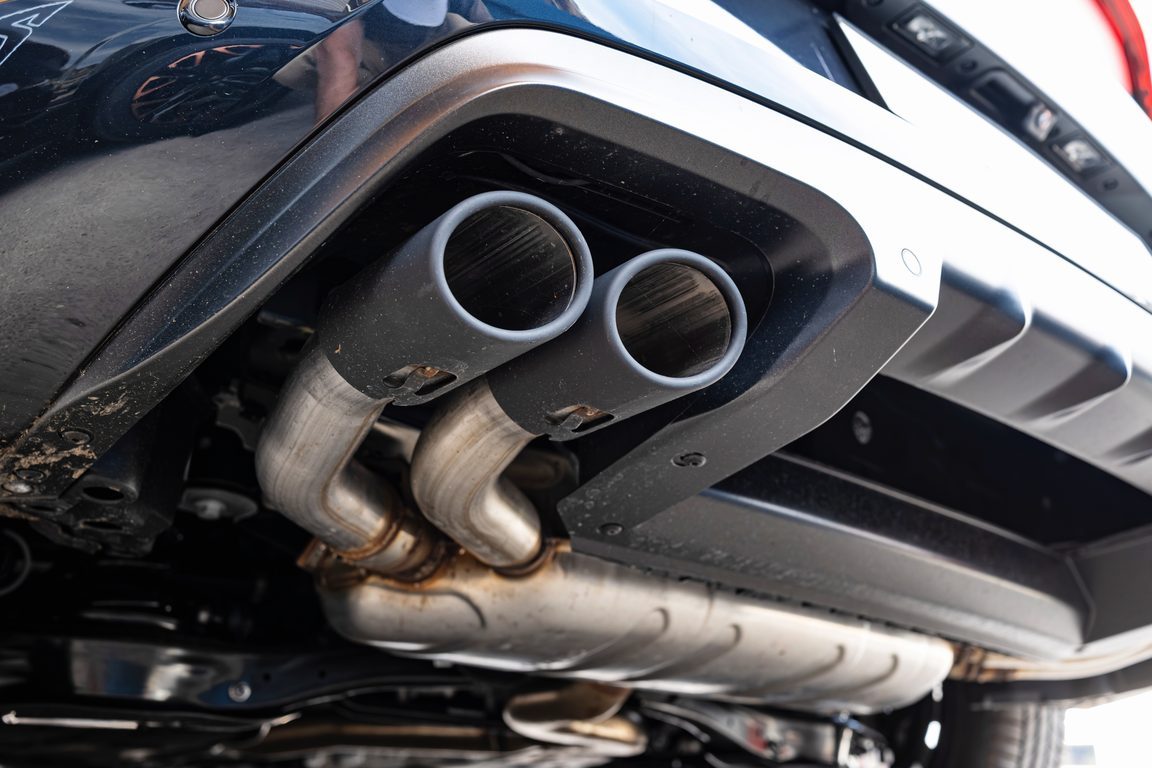

Your exhaust system has a few small sensors screwed into the pipes that most people never think about. They’re called oxygen sensors, and they play a big role in how much gas you use.
An oxygen sensor measures how much oxygen is left in the exhaust after the fuel burns. It sends that information to your car’s computer, which adjusts how much fuel goes into the engine. When everything is working, your engine gets just the right mix of fuel and air, which keeps it running smoothly and efficiently.
Most cars have at least two oxygen sensors, and some have four. One set sits before the catalytic converter and helps control the fuel mix. Another sits after it and checks that the converter is doing its job.
Over time, these sensors wear out. Heat, age and contamination slowly make them less accurate. When a sensor starts giving bad information, the computer may add too much fuel. You might notice your gas mileage dropping, the engine idling rough or hesitating, or a check engine light on your dash.
Ignoring a bad oxygen sensor can cost more than gas money. An engine running with too much fuel can overheat and damage the catalytic converter, which is a far more expensive part to replace.
Because a check engine light can have many causes, we don’t just assume it’s a sensor. We read the codes, look at how the sensors are behaving and inspect the exhaust for leaks that can throw off their readings. An exhaust leak near a sensor can make a good sensor look bad, and that’s exactly the kind of thing an exhaust specialist looks for.
If your mileage has slipped or your check engine light is on, let us find out why. Call Stones River Auto and Exhaust at (615) 961-6322 or stop by 1601 Flat Rock Rd in Murfreesboro, Monday through Friday from 8 to 5.