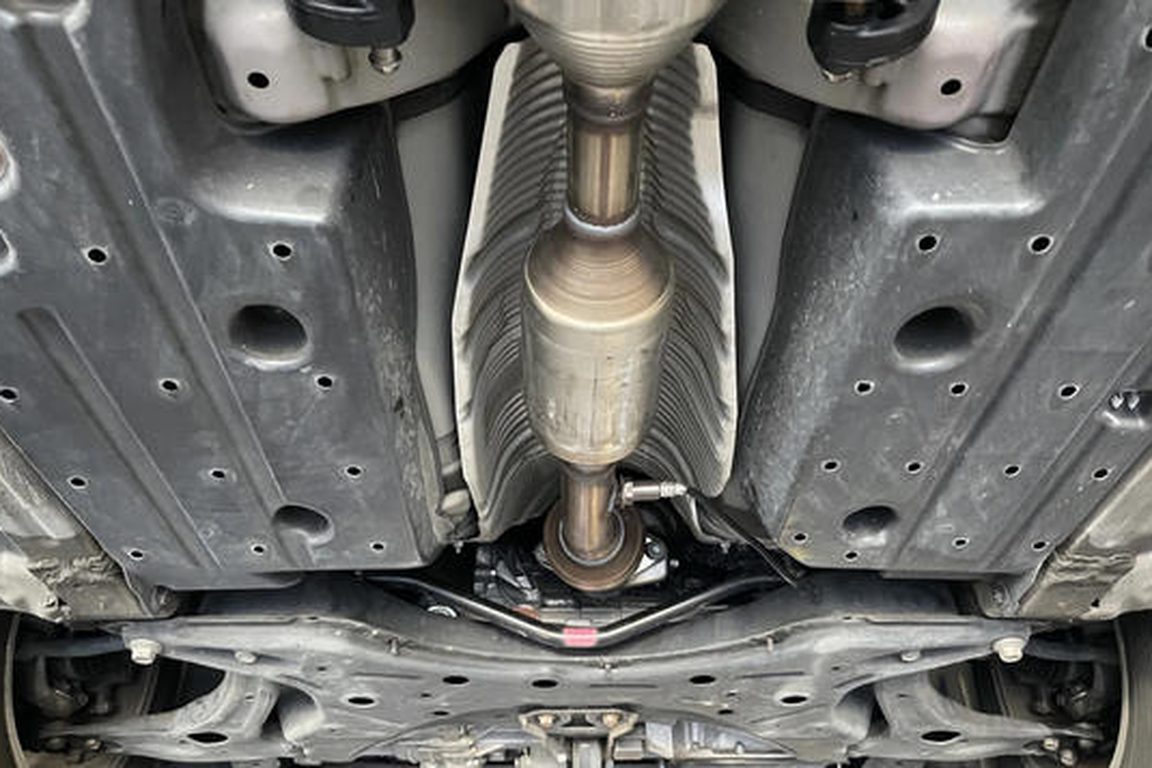

Tucked into your exhaust system is a small but influential part called the oxygen sensor, and it has a big say in how your engine performs. Its job is to measure the amount of oxygen in your exhaust gases and report that information to your engine’s computer, which uses it to fine-tune the mix of fuel and air. When the sensor works well, your engine runs efficiently. When it fails, you feel it in several ways.
A worn or failing oxygen sensor commonly causes reduced fuel economy, since the engine can no longer dial in the ideal mixture and often ends up burning more fuel than necessary. It can also lead to rough running, hesitation, higher emissions, and a check engine light. Because a failing sensor sends bad information, it can even contribute to damage of other components, including the catalytic converter, if it is left unaddressed.
Oxygen sensors do wear out over time as a normal part of driving, and most vehicles have more than one. The good news is that replacing a faulty sensor is a straightforward repair that often restores lost fuel economy and smooths out performance.
At Stones River Auto and Exhaust in Murfreesboro, we diagnose oxygen sensor problems accurately, confirming which sensor is at fault rather than replacing parts by guesswork. As exhaust and emissions specialists, we are well equipped to get this part of your system working correctly. If your fuel economy has slipped or a check engine light has appeared, bring your vehicle to our Murfreesboro shop and let us check it out.