
Thomas calls his business partner the exhaust whisperer, and the specific claim is that Dallas can hear a rattle from across the parking lot. Having watched him do it, the description is fair.
It is not a special talent. It is what happens when somebody spends years listening to one class of problem, and it is worth explaining because the same information is available to you once somebody points at it.
Exhaust noise is unusually diagnostic. Most car sounds are ambiguous, and a knock or a whine can be a dozen things. The exhaust is different, because it is a sealed metal path from the engine to the back of the car, and there are only so many ways a sealed metal path can go wrong. It can develop a hole, it can come loose, or something attached to it can rattle. Each of those makes its own sound.
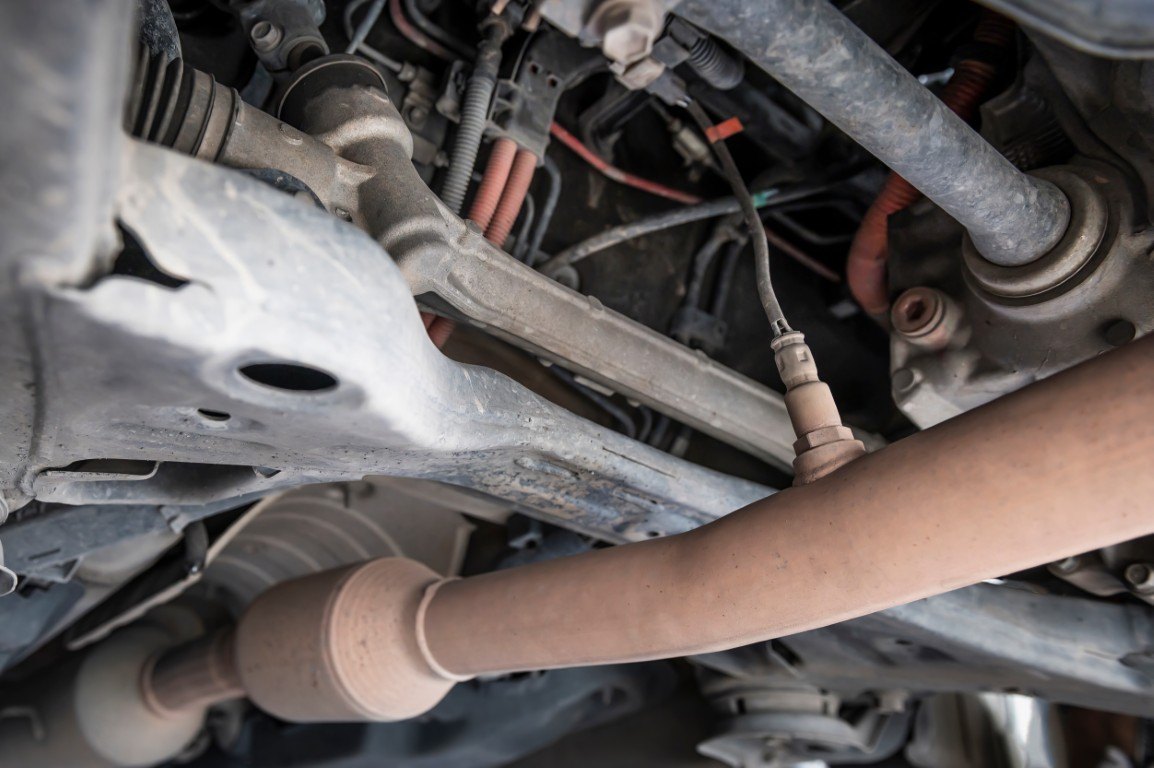
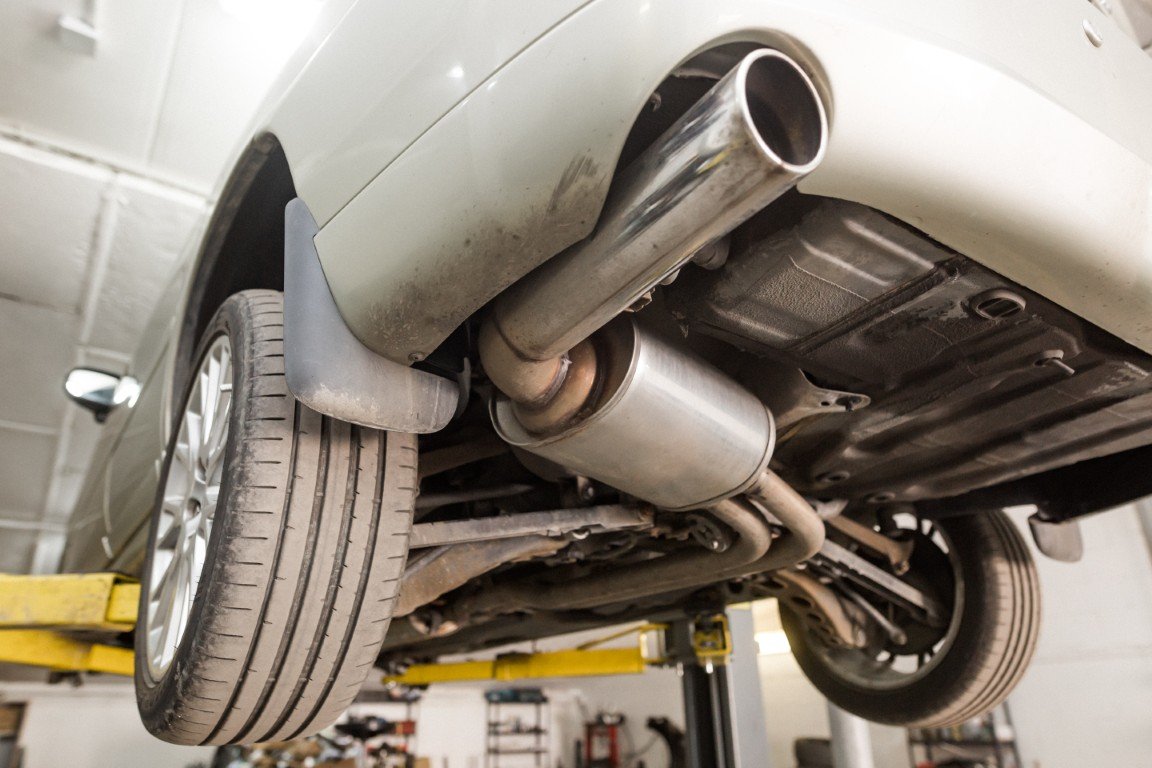
Where in the car the sound comes from tells you which. Ahead of the front wheels is the manifold and the front pipe, which is the hottest part of the system and the part that cracks. Under the middle of the car is where converters and resonators live. Behind the rear wheels is the muffler and tailpipe, which is where rust wins first.
When the noise happens tells you more. A sound only on a cold start suggests a crack that closes as metal expands. A sound only at idle that vanishes when you rev is usually something loose, moving with vibration rather than with pressure. A sound only under load points at a leak, because that is when exhaust pressure is highest.
And how it sounds narrows it to one thing. Metallic and buzzy is sheet metal, which means a heat shield. Deep and droning is a muffler that has rusted through internally. A rhythmic tick that follows engine speed is a manifold leak escaping in pulses. A hiss or a roar is a hole, and its size tells you roughly how big.
The reason this matters to your wallet. A heat shield is a clamp and ten minutes. A muffler is a part and an hour. A cracked manifold is a considerably bigger job. All three can produce noises that a driver files under, something under the car sounds wrong, and the gap between the cheapest and most expensive is large enough that guessing is a bad idea.
Also, and less obviously, it matters to your health. An exhaust leak ahead of the cabin can put combustion gases where people are sitting. Carbon monoxide has no smell. A leak that is only a noise problem in summer with the windows down is a different proposition in January with the heater on and the windows shut.
If your car has started making a noise you cannot place, bring it here. Dallas will most likely name it before you have finished describing it.
Stones River Auto and Exhaust, 1601 Flat Rock Road, Murfreesboro. Monday through Friday, 8:00 AM to 5:00 PM.