
The catalytic converter is the most expensive component on most cars that the owner cannot describe. Here is what it is and, more usefully, why replacing one without asking why it failed is a mistake.
What it is. A ceramic honeycomb inside a steel case, coated with platinum, palladium and rhodium. Exhaust gas passes through it at high temperature and the coating drives chemical reactions that convert carbon monoxide, unburned fuel and nitrogen oxides into carbon dioxide, water and nitrogen. It is genuinely elegant engineering with no moving parts.
Why it costs what it does. The three metals in that coating are among the most expensive materials in commercial use. That is the whole answer, and it is also why converters get stolen from cars in parking lots.
Here is the part that matters. Converters rarely fail on their own. The ceramic is durable and the chemistry does not wear out under normal use. When a converter fails, something else usually killed it.
A misfire kills converters. An engine that is misfiring sends unburned fuel into the exhaust, where it ignites inside the converter. That drives temperatures far beyond design, and the honeycomb melts or breaks apart. A misfire ignored for a few months can destroy a converter.
Oil or coolant consumption kills converters. An engine burning oil coats the catalyst surface and it stops working. Coolant from a failing head gasket poisons it chemically.
A rich fuel condition kills converters the same way a misfire does, with excess fuel burning where it should not.
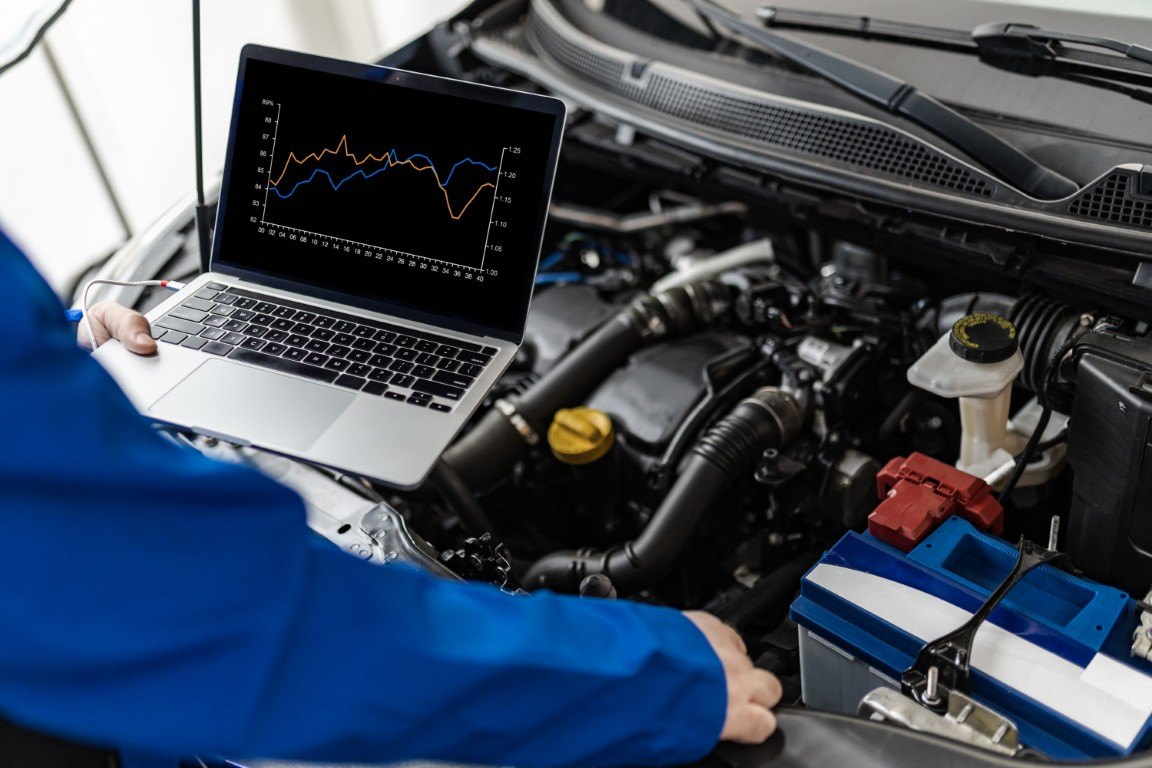
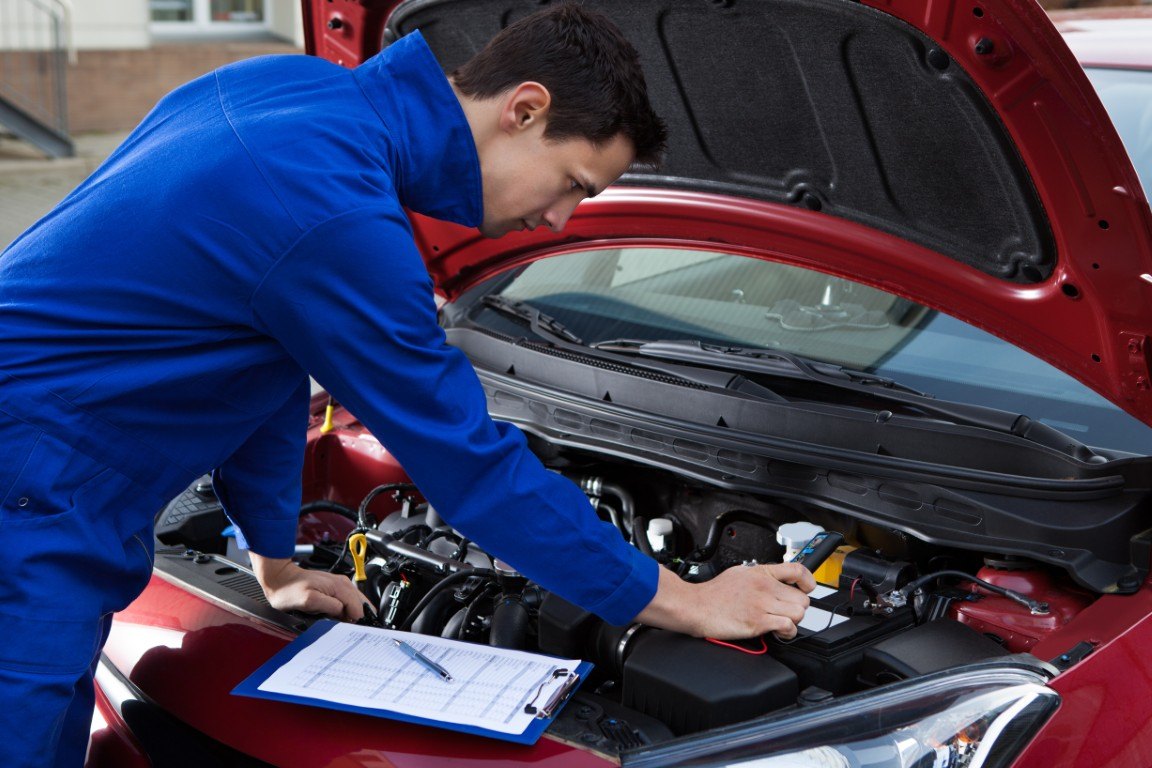
Which is why we test before we replace. Fitting a new converter to a car with an untreated misfire means the new one fails too, and the second failure is entirely avoidable. This is the clearest example of the thing we say about not throwing parts at a problem, because here the part is expensive enough that a guess is genuinely costly.
How to tell if yours is in trouble. A P0420 or P0430 code. A rattle like small stones when you rev. A rotten egg smell. A noticeable loss of power with worse fuel economy, which suggests a restriction.
And how to keep it alive. Do not ignore a misfire or a flashing check engine light. Address oil consumption. Fix engine faults when they are small. Converters usually outlast the car if the engine is healthy.
If yours has a code against it, come in before you spend anything. The question worth answering first is not what the converter costs. It is what happened to it.
Stones River Auto and Exhaust, 1601 Flat Rock Road, Murfreesboro. Monday through Friday, 8:00 AM to 5:00 PM.